
Wetland fungi play a vital role in shaping wetland ecosystems and habitat for a huge variety of fish and wildlife, according to the B.C. Wildlife Federation’s resident “fun guy,” amateur mycologist, Todd Huang.
These humble mushrooms form partnerships with plants, increase soil fertility, and even clean the water of pollutants, all without drawing much attention to themselves.
Huang notes the out-sized roles that fungi play in B.C. wetland ecosystems, often in surprising and secretive ways that are highly underappreciated and undervalued.
There are three categories of fungi: mycorrhizal, saprobic, and parasitic.
Mycorrhizal mushrooms can form symbiotic relationships with plants, facilitating nutrient exchange and supporting ecosystem health. Mycorrhizal fungi provide plants with nitrogen and phosphorus, while in return, the plant gives carbon to the fungus.
Saprobic mushrooms, such as forager favorites like oyster mushrooms, turkey tail, and chicken of the woods, aid the decomposition of dead organic matter, driving nutrient cycles, enhancing soil fertility, and improving water quality. Decomposition creates rich soil and fosters the formation of microhabitats for insects, amphibians, and juvenile fish.
Parasitic fungi, such as honey mushrooms, draw the nutrients they need from living plants, sometimes killing them in the process. This helps prevent some plant species from overwhelming the ecosystem. Some fungi detoxify pollutants, improving water clarity and quality in the process, which is vital for fish.
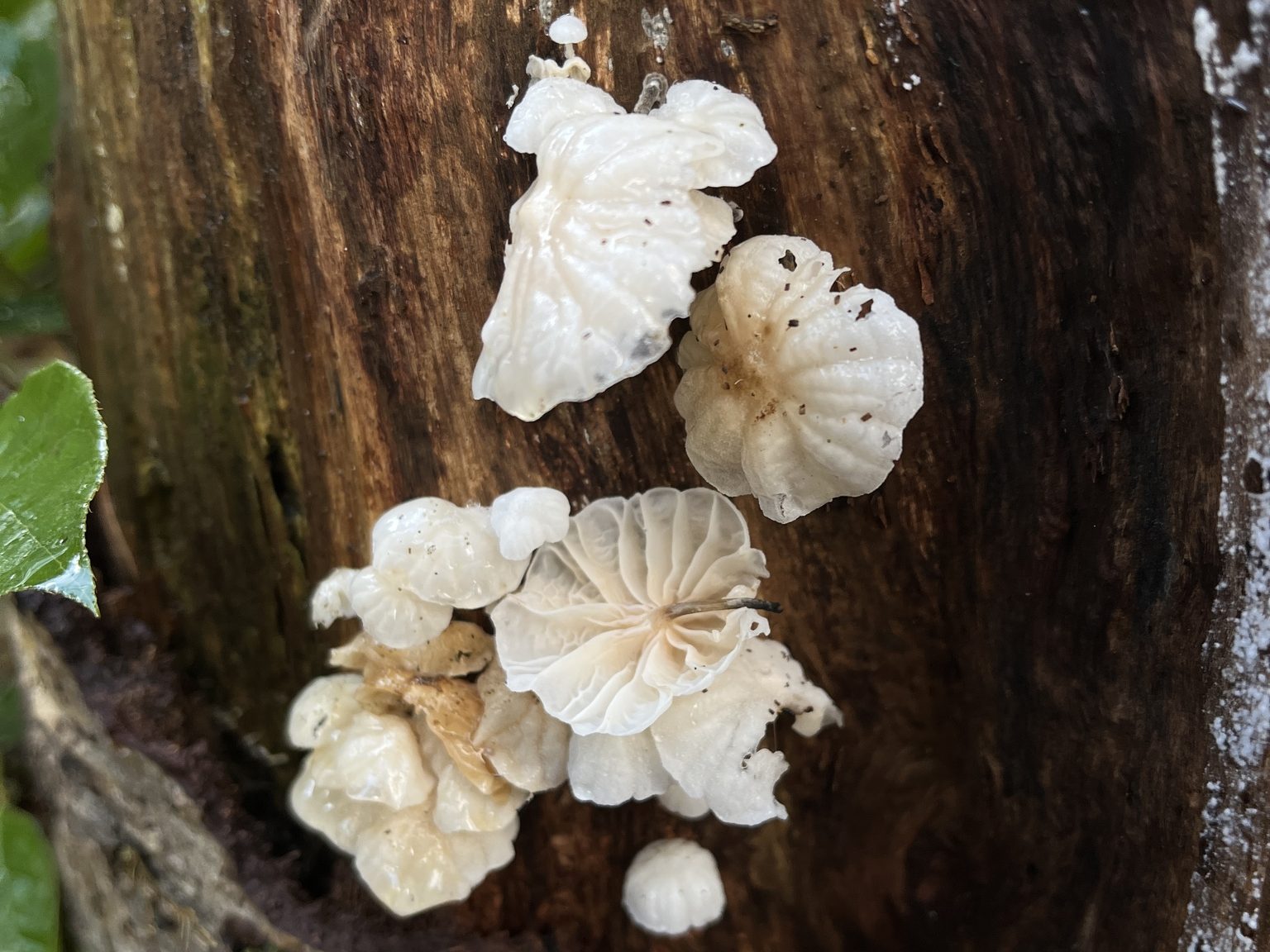
Fungal Anatomy
The visible mushroom is just the tip of the iceberg, with the bulk of the organism lying underground. These vast underground networks enable fungi to interact with multiple plants and their environment.
“When you see a mushroom, you’re only seeing the the fruiting body,” Huang said. “Most of the organism is underground in string-like structures called mycelium, which are made up of microscopic filaments called hyphae. Hyphae are what interact with plants.”
Huang notes that most trees in B.C. support mushrooms that are popular with foragers such as chanterelles, matsutake, and porcini. The exceptions are cedars and maples, so if you are looking for a meal, avoid cedar and maple forests.
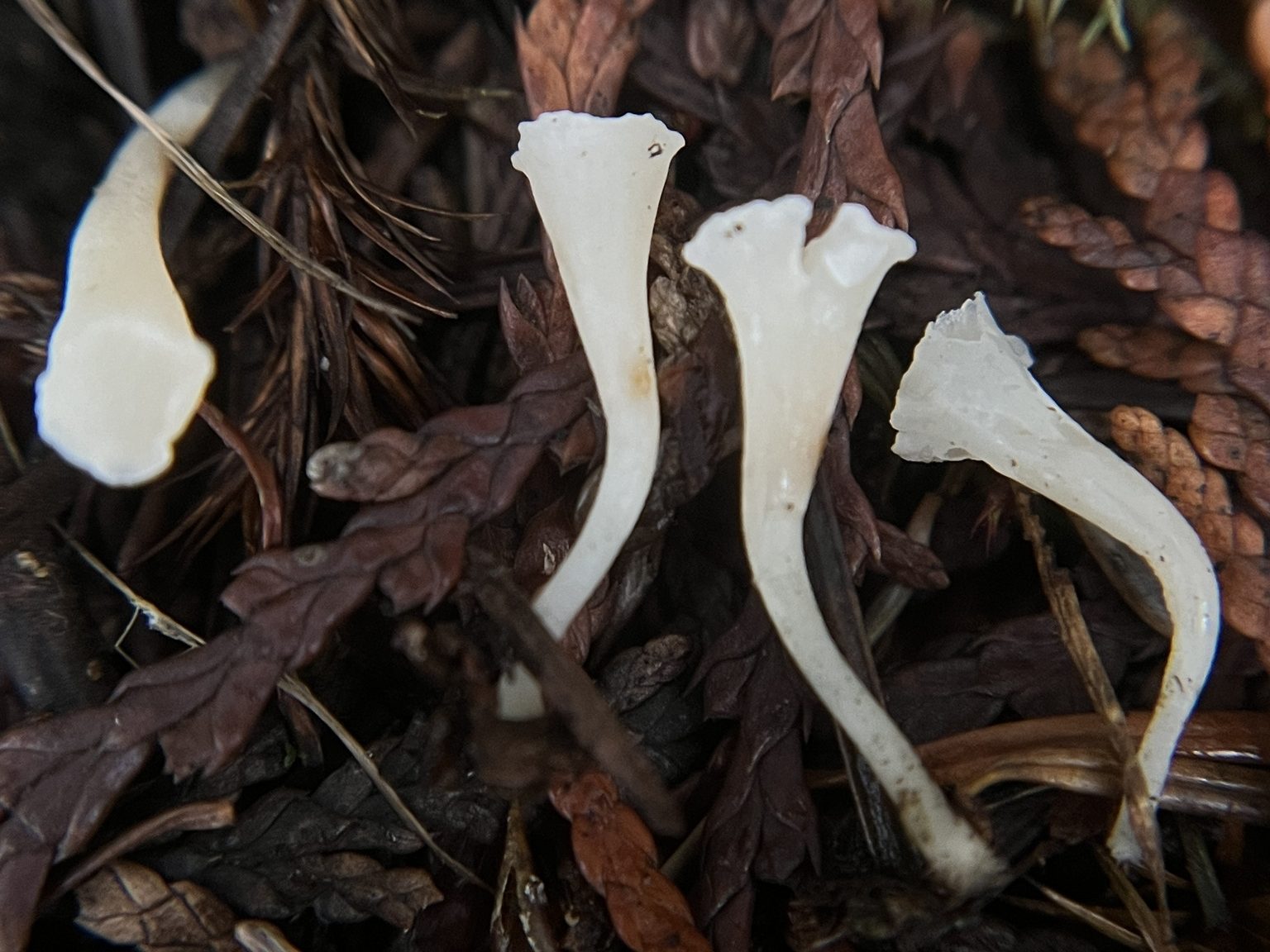
Documenting Fungi
Despite their significant impact, fungi remain under-documented. Huang notes that rare fungi species can be found in and around wetlands, and he emphasized the value of documenting your finds.
Using a smartphone app such as iNaturalist to document mushroom sightings in wetlands helps support a more comprehensive understanding of fungi distribution. Keep an eye out for mushrooms in both the spring and the fall and document the mushrooms you see.
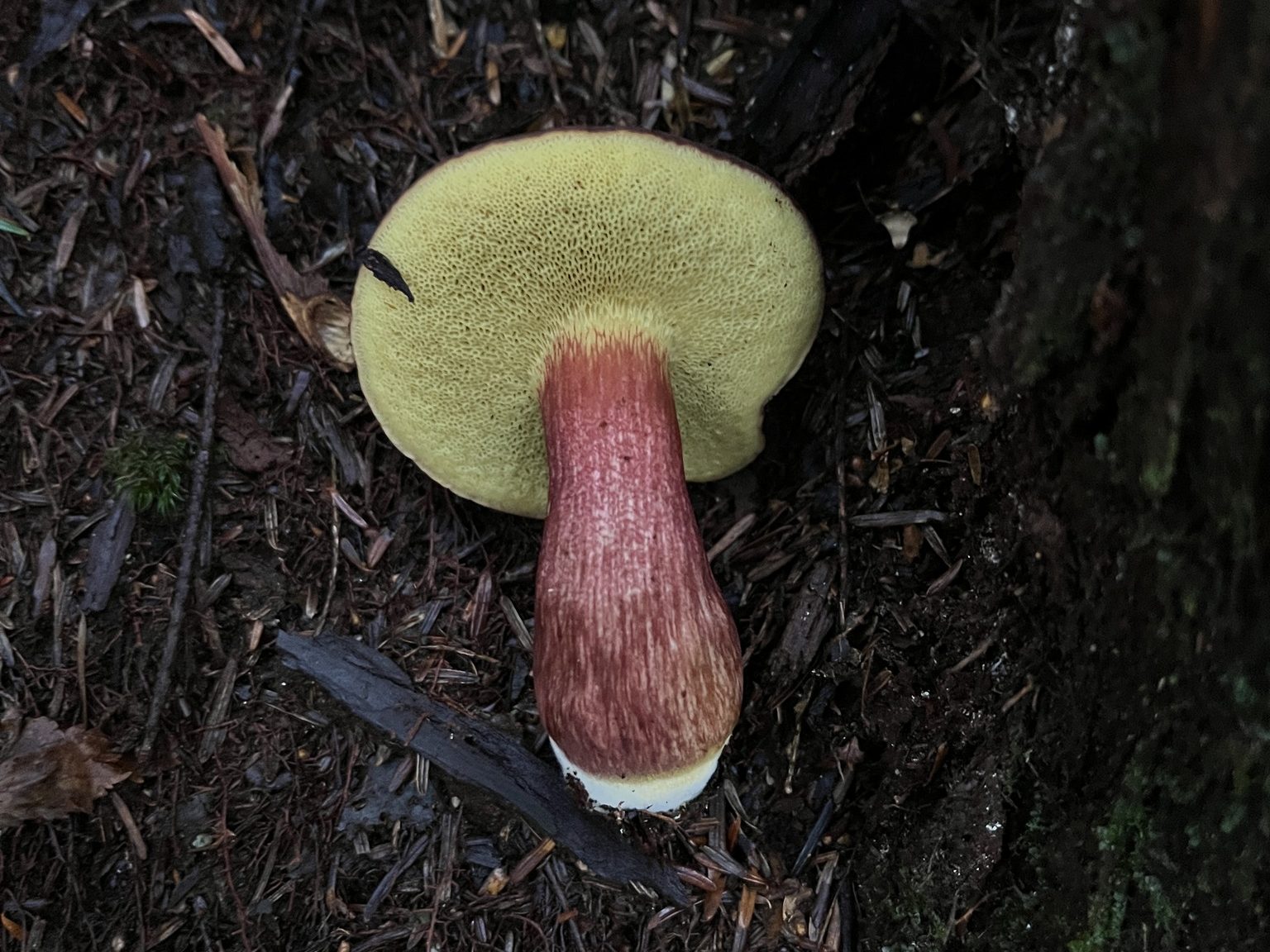
You can find Todd Huang on iNaturalist at: www.inaturalist.ca/people/oqt, where he is eager to assist with species identification and share his knowledge.
Watch Todd’s full Fungi of Wetlands webinar, part of the BCWF’s 2023 Lunch in the Wetlands series.
All photos were captured by Todd Huang in the Lower Mainland region of B.C. and added to iNaturalist for species identification. None of the mushrooms featured by picture are edible.
This story first appeared in the SEP/OCT 2023 issue of BC Outdoors magazine in our member exclusive insert. Become a member today to get our news delivered directly to your mail box at bcwf.bc.ca/membership.
 BCWF Bog Blog